Client • Qiddiya Investment Company
Forging the Qiddiya Guest Journey From a Patch of Sand
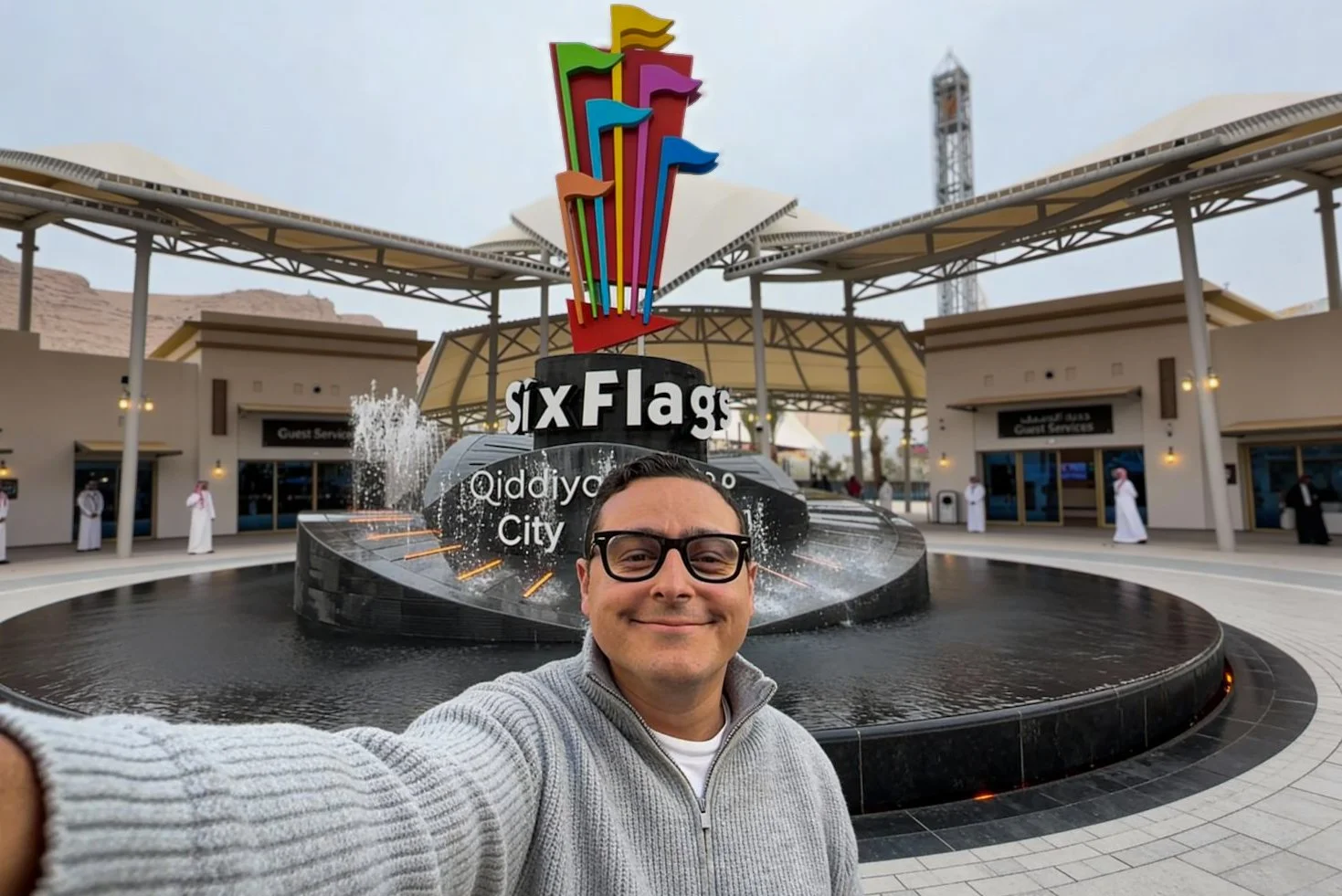
1. Vision 2030 and The Experience Economy
Modern Saudi Arabia isn't just changing; it is being rewritten in real-time, with Vision 2030 as the author. The mandate was not just to diversify an economy, but to fundamentally alter the DNA of a nation shifting from the industrial output of oil to the intangible magic of the Experience Economy.
Six Flags Qiddiya City was chosen as the flagship for this transformation. But this was never about simply importing a rollercoaster franchise to the desert. It was about creating a global destination capable of competing with Orlando or Tokyo from day one. My role was to define how millions of future visitors would interact with this massive, unseen metropolis. I wasn't there to pour the concrete foundations, but to lay the digital ones.
2. Problem Statement
The tension was threefold:
From a business perspective, the app needed to support operational efficiency, monetization, and long-term engagement without slowing down park throughput on peak days.
From a guest perspective, we were asking people to navigate a massive, unfamiliar destination in extreme climate conditions, often with families, often under time pressure. Friction would immediately translate into dissatisfaction.
From a technology perspective, we were building ahead of reality. Many systems were still evolving, vendors were not fully locked, and the park would open at a scale where failure would be public and immediate.
The core problem became clear: How do we design a guest app that works on opening day, scales for future parks and experiences, and feels effortless despite enormous complexity behind the scenes?
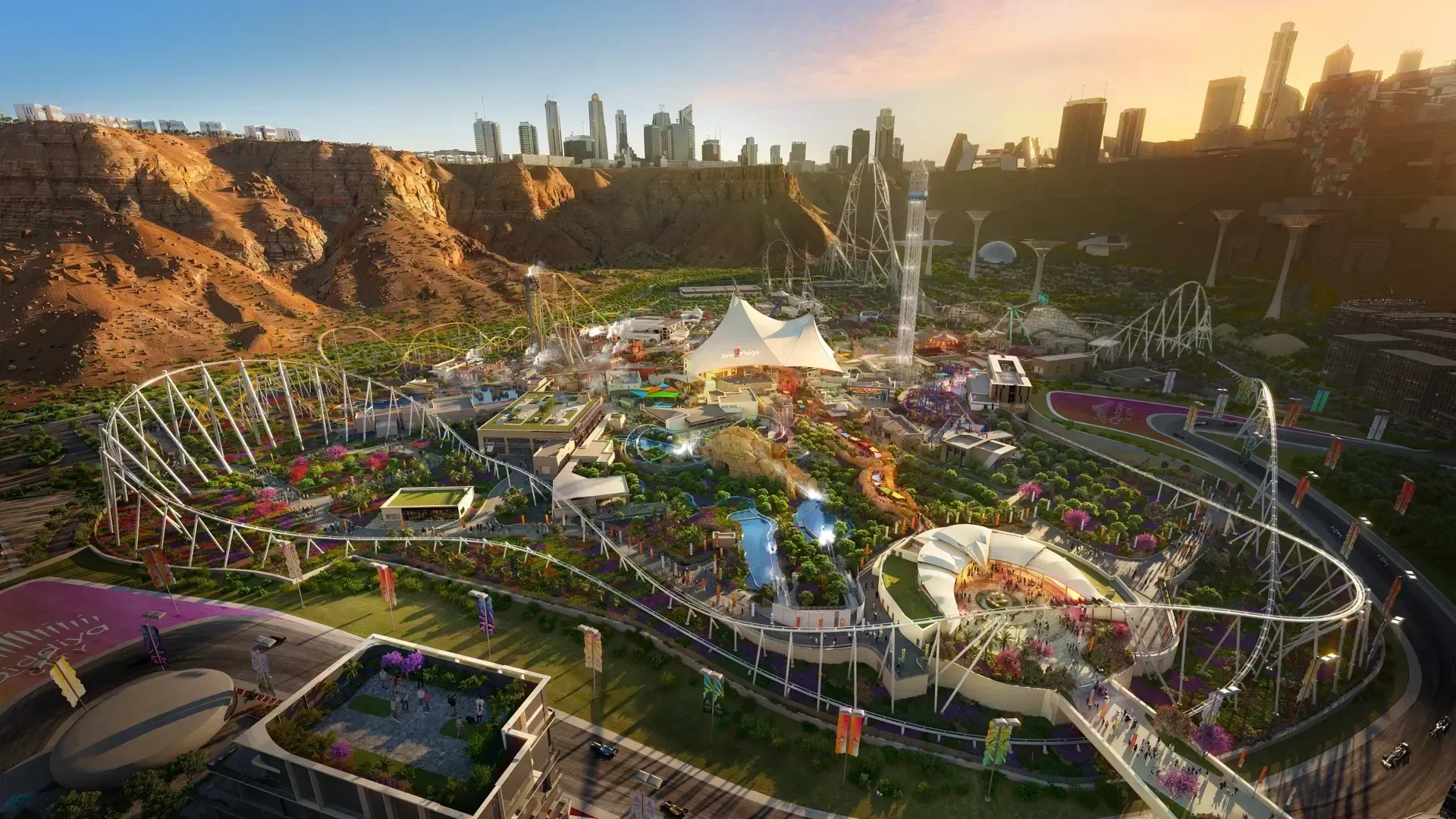
3. Strategy
We realized early on that the app could not just be a utility. In a city of this scale, the phone is the only compass a guest has. We decided to treat the mobile experience as the Operating System of the Park.
My strategy was to move beyond features and focus on immersion. We engineered an "Invisible Concierge" concept where the technology dissolves into the background. There would be no paper tickets to lose, no wallets to fumble for, and no confused wandering. The goal was to remove every micro-friction that breaks the spell of the entertainment. We weren't just building an interface; we were building the primary lens through which the guest sees the city. The app had to be as thrilling as the rides themselves.
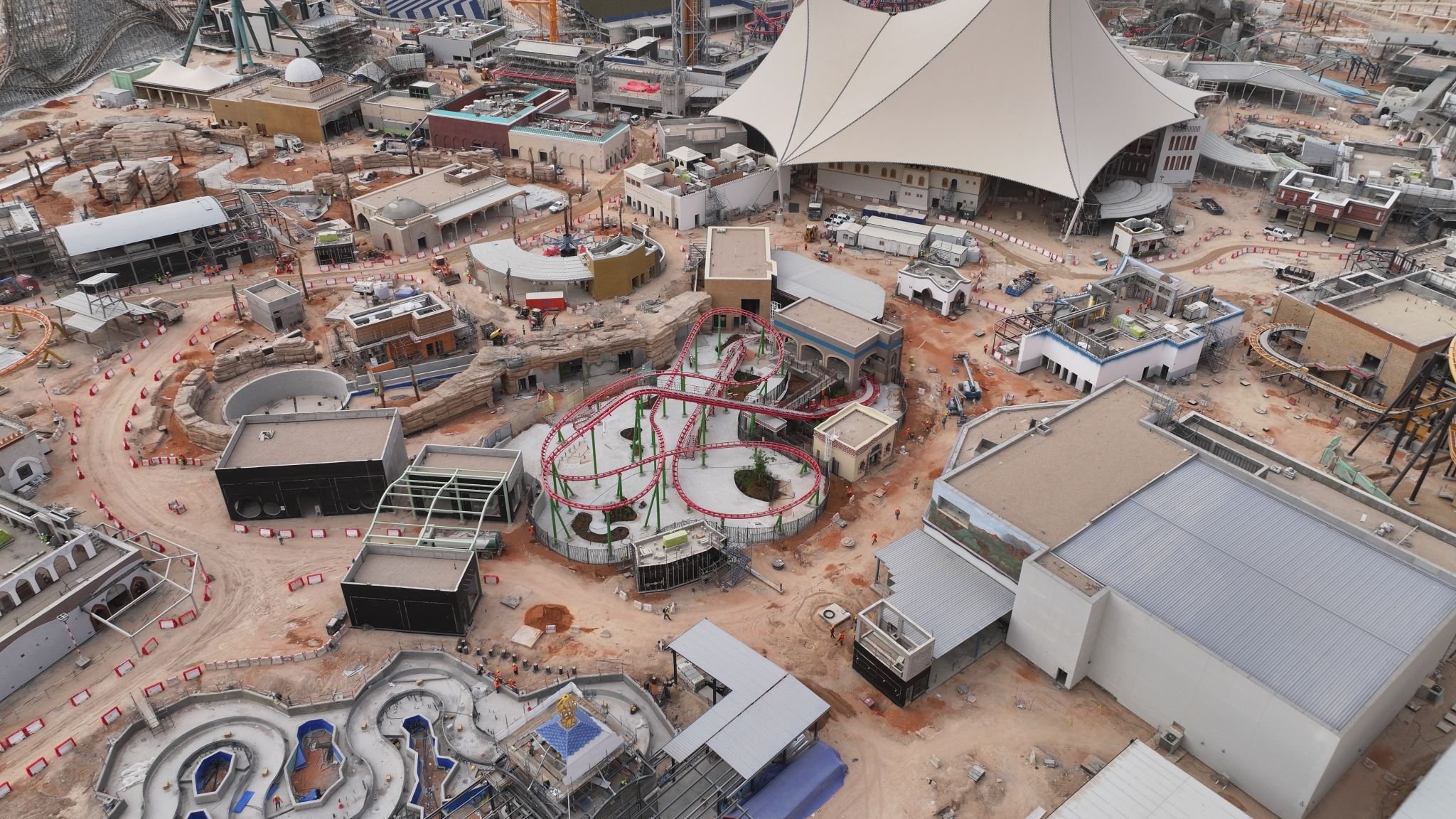
4. Execution
Execution in a Giga-project requires a fluidity that traditional product management rarely demands. To survive, I had to dissolve the boundary between the strategic Product Manager and the tactical Business Analyst. Strategy is nothing without specification, and in this environment, I had to own both.
I became the translator between two worlds. On one side was the leadership at Qiddiya Investment Company and the creative visionaries; on the other were the software engineers. I spent my days turning abstract operational concepts into rigorous user stories and functional requirements. I didn't just approve tickets; I wrote the detailed specifications that defined exactly how the system needed to behave.
I mapped the invisible data threads that would eventually allow a guest to walk into the park and have the turnstile recognize them instantly. When the physical layout of the park pivoted late in the day, I was the one rewriting the logic and acceptance criteria at night to ensure the digital product aligned with the new physical reality. It was a role that demanded I be a diplomat in the morning and a detailed analyst in the evening, ensuring that the grand vision was translated into clear, buildable requirements that never left room for ambiguity.
5. Results & Impact
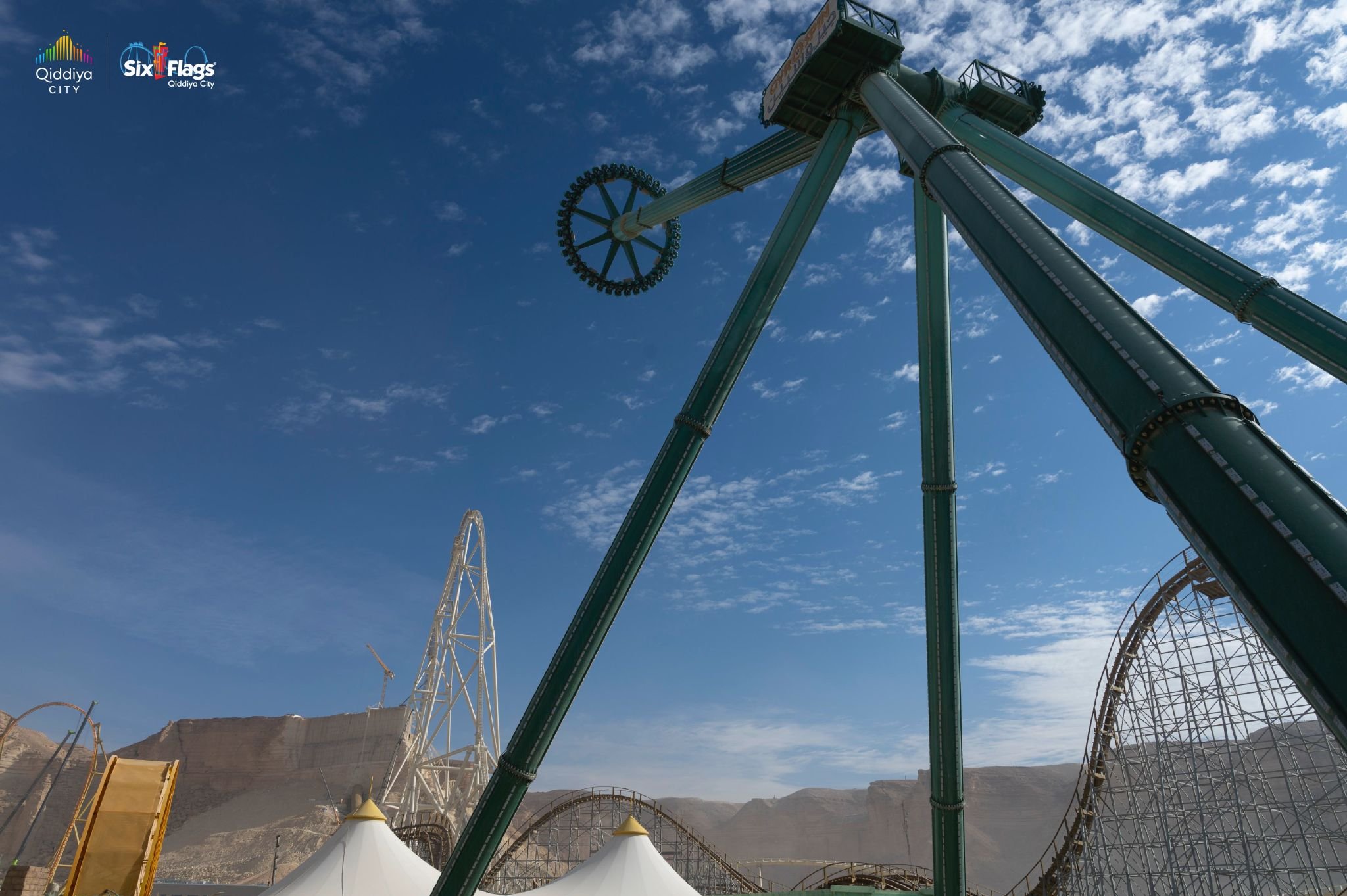
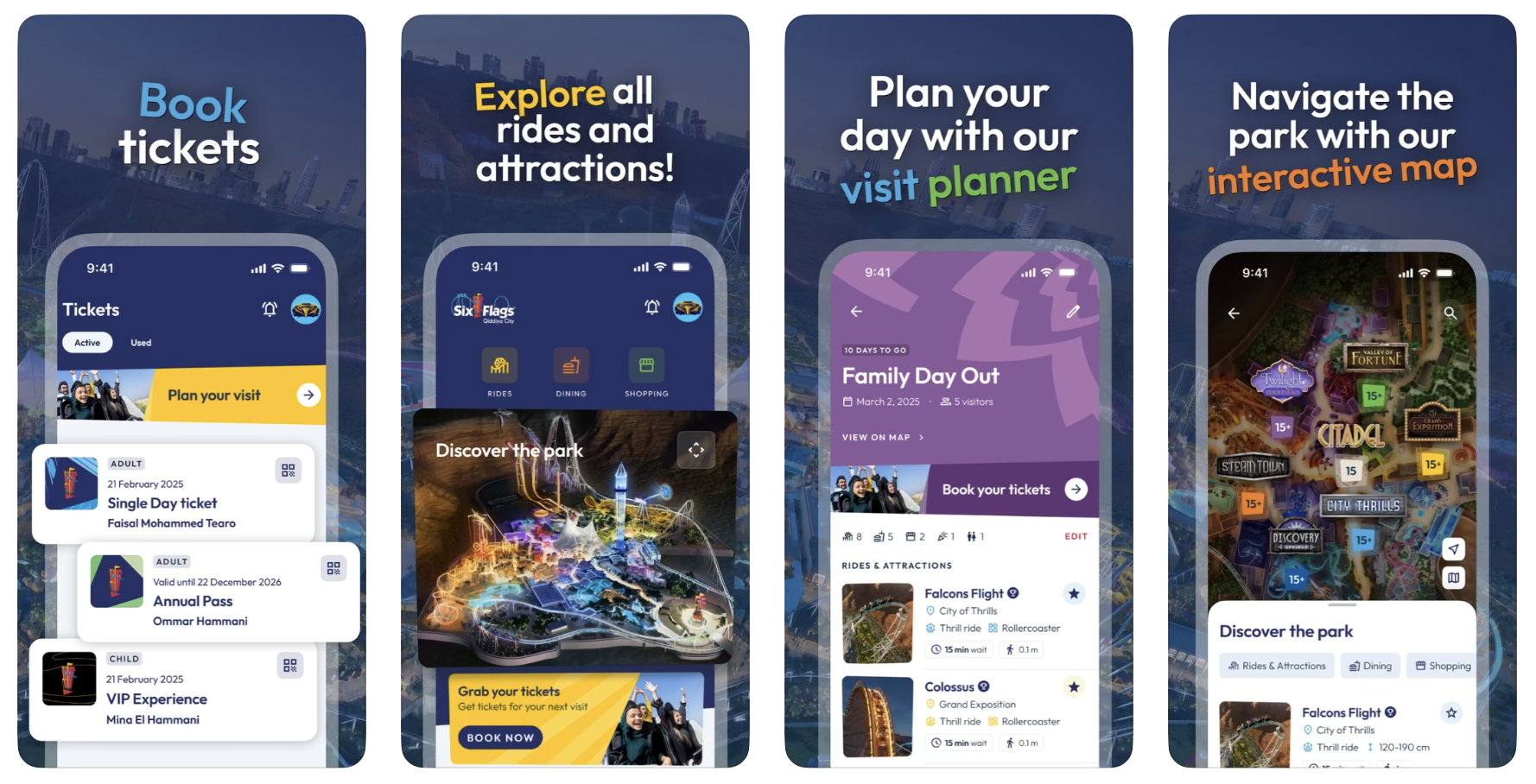
The true measure of our work wasn't just in the strategy we defined, but in the products we shipped. We successfully delivered the front-facing web and mobile applications for the park, the official "digital front door" for Six Flags Qiddiya.
We transformed a static masterplan into a tangible, interactive reality. The web and app platforms we delivered are not just marketing brochures; they are the transactional and experiential engines of the city. By delivering these platforms, we established the digital identity of the destination, allowing the world to interact with Qiddiya long before the physical gates open.
6. Lessons from a Giga Project
Qiddiya taught me that in the era of the Experience Economy, software is what makes scale human. A 330-square-kilometer city is intimidating; a personalized guide in your pocket is welcoming.
I learned that true resilience is the ability to metabolize change. In a project of this magnitude, the roadmap is not a fixed path but a hypothesis that you refine daily. The most critical skill wasn't just managing the product, but managing the ambiguity. Ultimately, I realized that wearing multiple hats isn't a bug of Giga-projects, but a feature. The only way to deliver a seamless experience is to have leaders who are willing to dive into the messy, granular details of how the engine works, while never taking their eyes off the horizon where the city is rising.